Drone-in-a-box for farms: what a DJI Dock 3 needs from your property (and the rule nobody mentions)
An autonomous dock flies the water run, the fence check and the stock count on a schedule, with nobody in the paddock. It also needs power, internet, a level pad and a CASA approval that takes months. Here's what it takes, honestly.

Short version
- A DJI Dock 3 with a Matrice 4D or 4TD aircraft flies pre-planned missions on a schedule, charges itself and sends the footage and data to you. Nobody has to be there.
- It needs mains power, reliable internet, a level clear pad and a site inside about 10 km of where you want the aircraft to work.
- Because nobody is watching the aircraft, every dock flight is beyond visual line of sight. In Australia that needs CASA approval, in practice a ReOC with a site-specific safety case. Allow months. This is the single biggest gate on any dock, and it's the one most brochures leave out.
The pitch for a dock is simple: the jobs you do because you have to, done for you. The morning water run. The fence after a storm. The mob in the back paddock between musters. A dock does those on a timer and puts the results on your phone. That part is real. So is the paperwork, the site work and the honest question of whether your place is big enough to need one.
What a dock actually is
A DJI Dock 3 is a weatherproof box, about 55 kg without the aircraft, rated IP56, that houses, charges and launches a Matrice 4D (visual) or Matrice 4TD (visual plus thermal) aircraft. You plan missions once, in DJI FlightHub 2, and the dock runs them on schedule: open, launch, fly the route, capture, return, land, charge, close. A 15 to 95 per cent charge takes about 27 minutes at 25°C, and the aircraft flies for up to 54 minutes forward flight in still conditions, with an operating radius DJI quotes at 10 km with reserve.
The dock runs from 100 to 240 V mains at up to 800 W, and it needs an internet connection, either Ethernet or 4G via DJI's cellular dongle. The dock is rated for −30°C to 50°C and the aircraft for −20°C to 50°C, both IP55 or better, and the aircraft is rated to 12 m/s wind. Missions hold in weather beyond that by design.
What it needs from your property
Power. Mains, reliably. A dock on solar and batteries can be done but it's a project in itself, and a dock that browns out mid-charge is a dock that misses the morning run.
Internet. Steady, not fast. Ethernet from the homestead is ideal; 4G works where the signal is genuinely reliable. If your place has one bar on a good day, that's the first thing to fix.
A pad. Level, clear of trees and structures, with a clear approach and departure path, close enough to power and internet, and inside range of where the work is.
Range. A 10 km operating radius sounds like a lot. On a large station it's one corner of the property. Where the water points, fences and mobs are spread wider than that, you're looking at more than one dock, or a hand-flown aircraft instead.
Is it overkill?
If the run you want automated takes under 20 minutes, happens once a week, or your place fits inside a few kilometres, a dock is probably the wrong tool. A Matrice 4E or 4T flown by hand from the ute does the same job for a fraction of the cost and without the approvals. We built a free readiness checker precisely so we can tell you this before you enquire, not after.
The rule nobody mentions: every dock flight is BVLOS
Here's the part the brochures skip. Under CASA's standard operating conditions you must keep the aircraft within visual line of sight. A dock's whole purpose is that nobody is there. That makes every dock mission a beyond visual line of sight (BVLOS) operation, and BVLOS needs specific CASA approval.
In practice that means operating under a Remote Operator's Certificate (ReOC) with a site-specific safety case: an assessment of your airspace, your ground risk, your procedures and your aircraft, documented in an operations manual and approved by CASA for your site. It is a proper piece of work and it takes months, not weeks. It is not something you do after the dock arrives.
How we handle it
We deliver the approval pathway with you as a priced part of the project: the site assessment, the safety case, the operations manual content and the CASA application, managed alongside the hardware. We don't promise an outcome, because CASA decides, and timelines depend on CASA. What we promise is that you'll know exactly where you stand before you spend money on a dock. Confirm the current position with a compliance advisor; the rules move.
Who a dock makes sense for
Large-scale agriculture. Corporate farms, feedlots, cotton and irrigation, pastoral stations with a daily run that costs hours or several people. The value is the run happening every day regardless of who's on.
Councils, environmental and carbon projects. Repeatable, dated, geo-referenced records of the same site, flown the same way every time. A dock is the most reliable way to get that.
Security, utilities and infrastructure. Solar farms, water assets, depots. Perimeter and asset checks on schedule, with thermal on the 4TD for night work where approved.
What you get out of it
Scheduled missions with photos, video and thermal (4TD) delivered to FlightHub 2 or your own systems. Change detection between flights. Alerts you set up yourself. For ag, the practical outputs are water point checks, fence and gate condition after weather, stock location and rough counts, and a consistent record you can look back on. It won't muster, and it won't tell you why a trough is dry.
What it costs
We don't publish a dock price because a dock is a project, not a product: hardware, siting, installation, network setup, commissioning, training, the approval pathway and ongoing support. Ask for a quote with your site details and we'll itemise it. Equipment finance is available for ABN holders.
Common questions
Do I need a licence for a drone dock in Australia?
Yes. Dock operations are beyond visual line of sight, which requires CASA approval, in practice a ReOC with a site-specific safety case. We deliver that pathway with you, but CASA makes the decision. Confirm the current position with a compliance advisor.
How far can a DJI Dock 3 fly?
DJI quotes a 10 km operating radius with a 15 per cent battery reserve. Real range depends on your approval, terrain, wind and what the mission does on the way.
Does the dock work without internet?
No. It needs a reliable connection, Ethernet or 4G, to receive missions and send data. If your site has patchy coverage, that's the first thing to solve.
Can it fly at night?
The Matrice 4TD's thermal camera is built for it, but night operations need specific CASA approval on top of the BVLOS approval. Don't assume it's included.
Is a dock overkill for a family farm?
Often, yes. If the run is short, infrequent or inside a few kilometres, a hand-flown Matrice 4E or 4T does the job for far less. Our readiness checker will tell you.
Sources
- DJI Dock 3 and Matrice 4D/4TD specifications, enterprise.dji.com/dock-3/specs
- CASA, flying drones commercially and beyond visual line of sight, casa.gov.au
Written quote within one business day. Delivery, training and CASA guidance included.

What a DJI Agras spray drone actually costs in Australia in 2026, what a working kit includes, and the lice...
Read
A spray drone is a $40,000-plus decision. Here's how to work out whether it beats the boom, beats the contr...
Read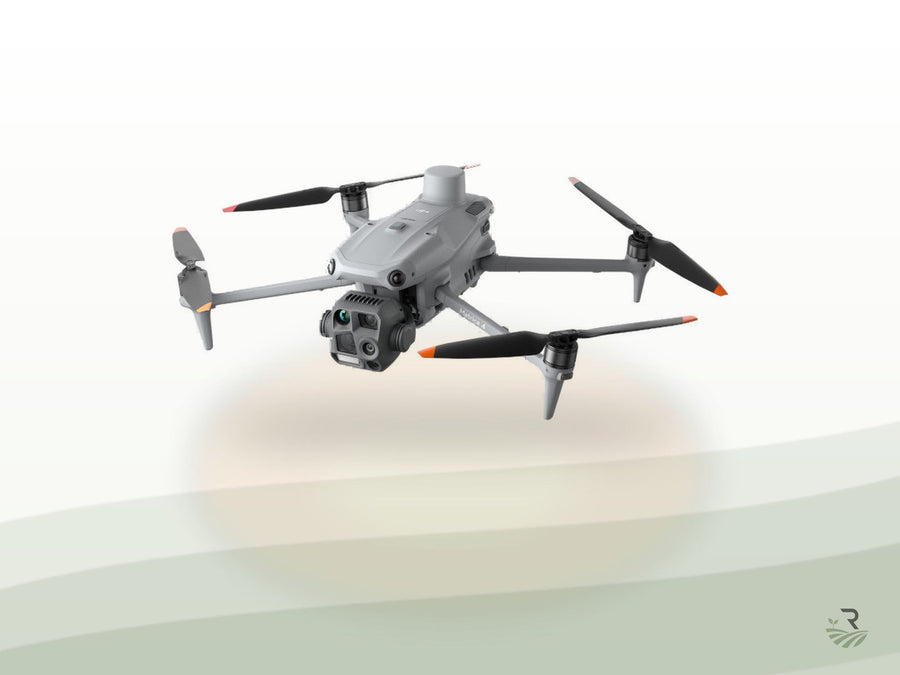
A thermal drone finds warm bodies in cold country and spots a leaking trough from the air. It also goes bli...
Read